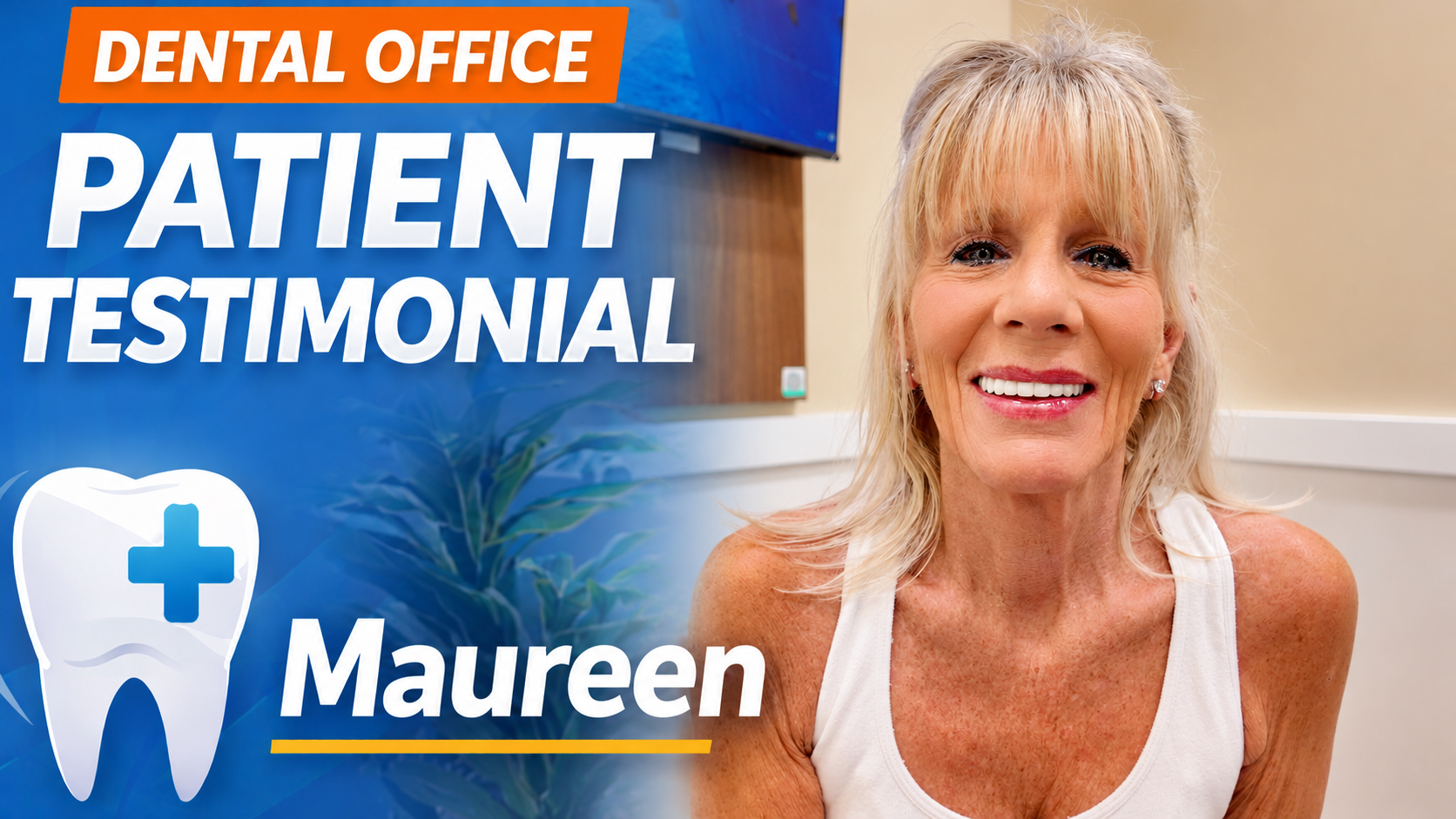
Dental Implants vs Dentures: A Real Patient Journey to Full Mouth Restoration
“I Let My Teeth Go… Then I Chose Dental Implants After Years of Denture Struggles”
Many people don’t realize how slowly dental problems can build up—until they reach a point where everyday life starts to change. Speaking, chewing, smiling, even confidence in public can become difficult.
This is the story of someone who delayed dental care for years, dealt with worsening oral health, tried dentures, and ultimately chose dental implants after realizing there had to be a more stable, long-term solution.
Letting Dental Care Slide Over Time
There’s often no single moment when oral health declines. It happens gradually.
In this case, dental visits became less frequent over time, and eventually stopped altogether. As a result, the teeth continued to deteriorate until the damage could no longer be ignored.
At that point, the situation had already progressed to where major restorative treatment was necessary.
Living With Dentures — and the Frustration Behind Them
Like many patients, dentures were the first step in trying to restore function and appearance.
However, dentures—especially lower ones—often come with challenges:
H3: Common Denture Problems
- Difficulty staying in place while eating or talking
- Discomfort or irritation in the gums
- Reduced chewing ability
- Ongoing adjustments and maintenance
- Loss of confidence in social settings
Even after getting an upper denture, the lower denture continued to be a major issue. It didn’t feel secure, and everyday activities remained frustrating.
- This is a very common experience for denture wearers—especially with lower arches.
Exploring Dental Implants as a Long-Term Solution
Eventually, the decision was made to explore dental implants.
Multiple consultations were scheduled, and several treatment quotes were reviewed. While price was a factor, it wasn’t the only consideration.
One important realization came from reviewing patient outcomes and real experiences shared online—seeing consistent success stories helped build confidence in moving forward.
Even though the chosen option wasn’t the cheapest, it felt like a balanced decision between cost, quality, and long-term value.
Why Dental Implants Were the Turning Point
Dental implants offered something dentures could not: stability.
Key Benefits of Dental Implants
- Fixed, non-removable teeth
- Improved chewing strength and function
- More natural appearance and feel
- No adhesives or slipping
- Long-term bone support in the jaw
For many patients, implants restore not just teeth—but lifestyle. Eating normally, speaking clearly, and smiling without hesitation become possible again.
The Decision-Making Process Matters
Choosing dental implants isn’t just about price—it’s about trust, reviews, and understanding outcomes.
In this case, comparing multiple treatment plans and reading patient experiences played a major role in the final decision. Seeing consistent, positive results helped confirm that implants were the right direction.
Frequently Asked Questions
Are dental implants better than dentures?
Dental implants are typically more stable and permanent, while dentures are removable and may require adjustments over time. The best option depends on bone health, budget, and long-term goals.
Why do lower dentures feel looser than upper dentures?
The lower jaw has less surface area for suction and stability, which makes lower dentures more likely to shift or feel unstable.
How long do dental implants last?
With proper care, dental implants can last many years—often decades. Regular dental checkups and good oral hygiene are essential.
Is the dental implant process painful?
Most patients report manageable discomfort, especially compared to expectations. Modern techniques and anesthesia help reduce pain during procedures.
What affects the cost of dental implants?
Cost can depend on the number of implants, whether extractions or bone grafting are needed, and the type of final restoration chosen.
Request an Appointment
For more information or to schedule a service, call us at (941) 352-8479 or complete the contact form.